

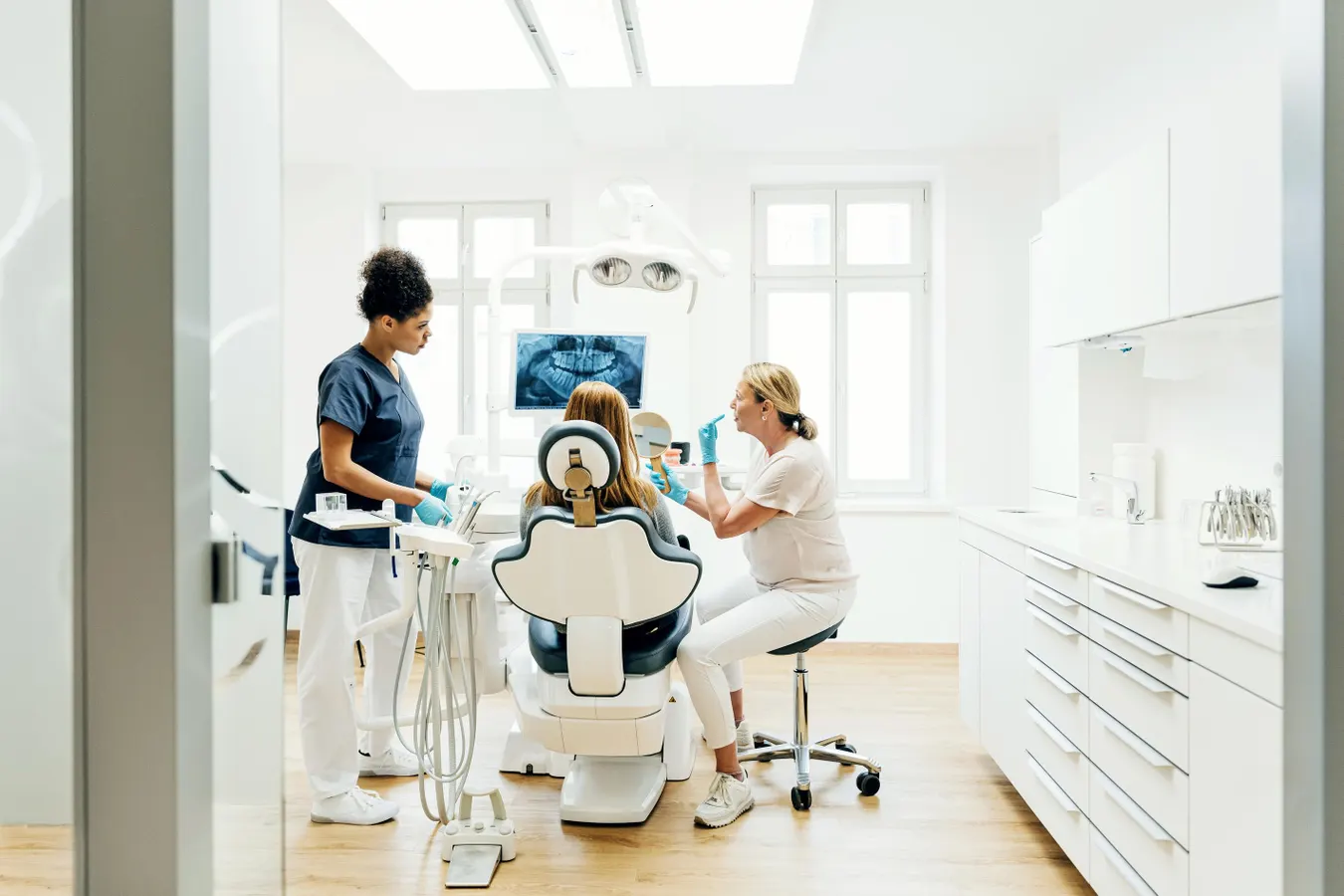
The Modern Dental Revolution
The dental profession stands at a fascinating crossroads where time-honoured traditions meet cutting-edge innovation. Today’s dental practices, including a dentist Navan, seamlessly blend decades of proven techniques with revolutionary digital technologies, creating an unprecedented level of precision and patient care. This harmonious integration represents more than mere technological advancement; it embodies the evolution of dentistry into a sophisticated art form that respects its roots whilst embracing the future.
The transformation has been nothing short of remarkable. Traditional methods, refined through generations of practice, now work in tandem with digital innovations to deliver superior outcomes. This synthesis allows practitioners to maintain the personal touch and clinical expertise that patients value, whilst harnessing the power of modern technology to enhance accuracy, comfort, and efficiency.
Traditional Foundations Meet Digital Precision
The cornerstone of excellent dental care remains the fundamental skills that have defined the profession for centuries. Manual dexterity, clinical judgement, and patient communication continue to form the bedrock of quality treatment. However, these essential abilities are now amplified by digital tools that provide unprecedented insight and precision.
Digital radiography has revolutionised diagnostic capabilities, offering clearer images with reduced radiation exposure compared to traditional X-rays. Meanwhile, the evolution from traditional dental tools to modern digital innovations has transformed how practitioners approach complex procedures. Intraoral cameras allow both dentist and patient to visualise problems in real-time, fostering better understanding and treatment planning.
The CAD/CAM Revolution
Computer-Aided Design and Computer-Aided Manufacturing (CAD/CAM) technology exemplifies the perfect marriage between traditional craftsmanship and digital precision. Where dental technicians once relied solely on manual sculpting techniques to create crowns, bridges, and prosthetics, they now combine their artistic expertise with sophisticated software and milling machines.
This integration doesn’t diminish the craftsperson’s role; rather, it enhances their capabilities. The traditional eye for aesthetics and understanding of dental anatomy remains crucial, but digital tools allow for micron-level accuracy that would be impossible to achieve manually. The result is restorations that fit better, last longer, and look more natural than ever before.
Digital Imaging and Treatment Planning
Three-dimensional imaging technology has transformed how dental professionals approach complex cases. Cone beam computed tomography (CBCT) provides detailed cross-sectional views that traditional two-dimensional X-rays simply cannot match. This advancement allows practitioners to plan implant placements with surgical precision, whilst maintaining the clinical intuition that comes from years of experience.
The integration extends to orthodontic treatment, where digital scanners capture precise impressions without the discomfort of traditional moulds. These digital models enable practitioners to visualise treatment outcomes before beginning, combining technological foresight with time-tested orthodontic principles. The result is more predictable treatment with enhanced patient satisfaction.
Laser Technology and Minimally Invasive Techniques
Laser dentistry represents another brilliant example of how modern technology enhances traditional approaches rather than replacing them entirely. Soft tissue lasers allow for precise gum contouring and periodontal therapy, whilst hard tissue lasers can prepare cavities with minimal discomfort. However, the fundamental principles of conservative dentistry and tissue preservation remain paramount.
Many practices have embraced these technologies whilst maintaining the personal care that patients expect. Digital technology’s revolutionary impact on modern dentistry continues to evolve, offering new possibilities for treatment whilst respecting established clinical protocols.
Patient Experience and Communication
Digital tools have dramatically improved patient education and communication. Interactive treatment planning software allows practitioners to show patients exactly what procedures will involve, building trust through transparency. Virtual reality systems help anxious patients understand treatments, whilst digital records ensure continuity of care.
The integration of these technologies doesn’t diminish the importance of chairside manner and empathy. Instead, it frees practitioners to focus more on patient interaction by streamlining administrative tasks and improving treatment efficiency. How digital technology revolutionises modern dental care techniques demonstrates this balance beautifully.
Looking Towards the Future
The future of dentistry lies not in choosing between traditional and digital methods, but in their continued integration. Artificial intelligence will enhance diagnostic capabilities, whilst 3D printing will revolutionise prosthetic fabrication. However, the human element—clinical expertise, artistic vision, and compassionate care—will remain irreplaceable. This harmonious blend ensures that patients receive the best of both worlds: cutting-edge technology delivered with time-honoured professionalism and care.