

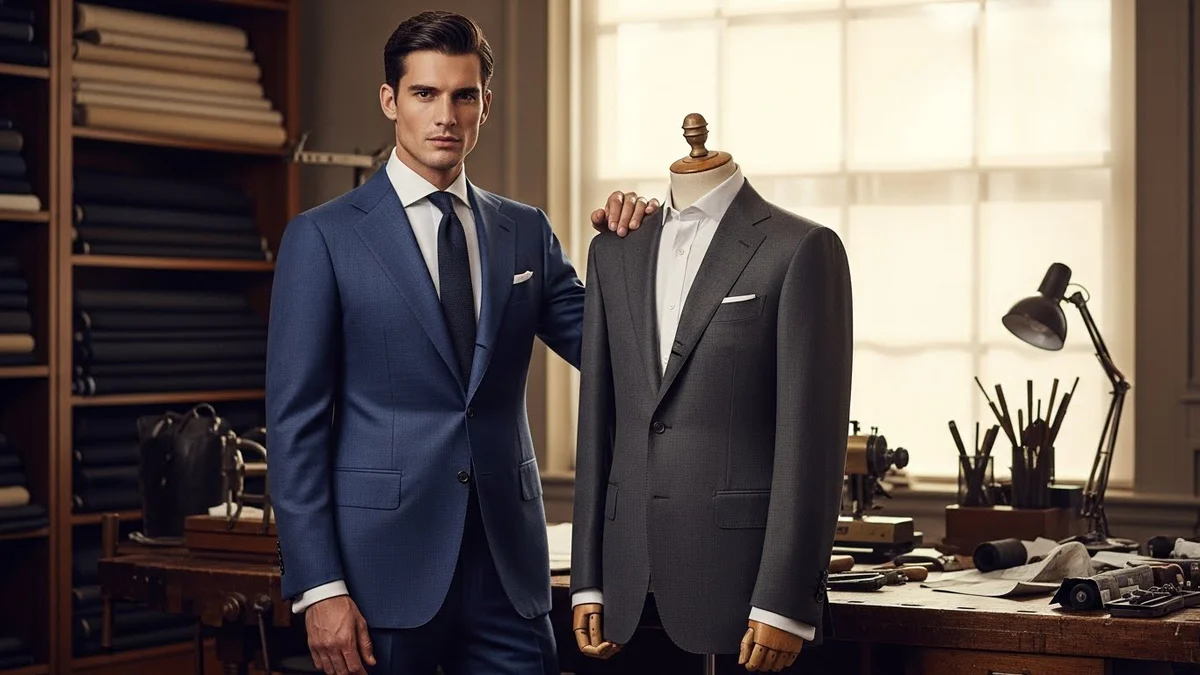
A suit can look expensive yet fit poorly. Small fitting flaws often affect appearance more than fabric quality. Shoulder imbalance, sleeve errors, and waist gaps create noticeable distractions. Bespoke tailoring addresses those concerns through precise measurements and garment shaping. Anyone researching custom clothing options may visit site resources to understand how personalized construction tackles recurring fit frustrations.
Why Do Standard Suit Sizes Miss The Mark?
Body proportions rarely follow retail measurements exactly. One jacket size may fit the chest well. The same garment might feel loose around the waist. Height, posture, and frame width create additional challenges.
Ready-made clothing follows production efficiency. Personal body characteristics receive little attention. As a result, visual balance often suffers despite premium materials.
Shoulder Issues Create Larger Fit Problems
A jacket begins with shoulder alignment. Poor placement affects every section below.
- Neck area loses clean definition
- Upper sleeves develop unwanted folds
- Lapels fail to rest properly
- Back panels appear unevenly tensioned
Consider a client with sloped shoulders. Standard patterns often create visible fabric collapse. Custom drafting eliminates those distractions before construction begins.
What Happens When Chest And Waist Proportions Differ?
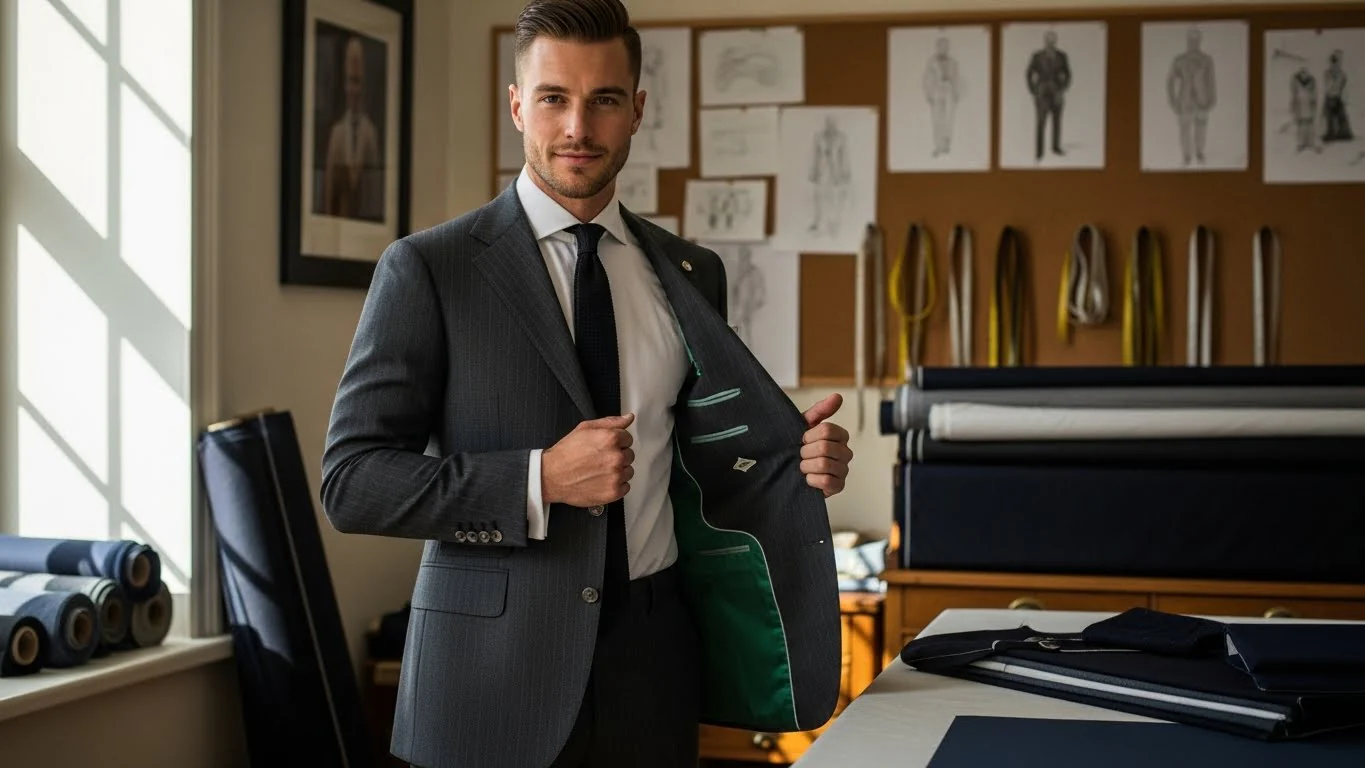
Athletic builds present a common challenge. Chest measurements increase while midsections remain narrower. Retail sizing forces compromises between comfort and shape.
Rather than adjusting completed garments repeatedly, bespoke cutters build patterns around actual dimensions. During consultations, clients often visit site galleries showing how tailored suppression creates cleaner jacket lines without restricting movement.
Length Details Shape Overall Presentation
Sleeves and trousers influence visual proportions greatly. Even slight inaccuracies draw unwanted attention.
Key areas include:
- Cuff exposure
- Trouser break
- Arm variation
- Leg balance
- Shoe interaction
A quarter-inch difference changes appearance noticeably. Precise measurements produce stronger visual harmony across the entire outfit.
Can Posture Affect Suit Performance?
Posture influences garment behavior throughout daily wear. Forward shoulders alter jacket drape immediately. An upright stance creates different fitting requirements.
When posture receives proper assessment, wrinkles decrease naturally. Fabric follows body movement more comfortably. Office professionals often notice improved comfort during extended meetings and business travel.
Practical Signs Custom Tailoring Adds Value
Certain fitting concerns signal deeper pattern issues.
- Collar lifts during movement
- Waist fabric bunches awkwardly
- Sleeves reveal uneven cuff lengths
Repeated alterations may improve symptoms. Pattern-level corrections address underlying causes more effectively.
The Benefits Extend Beyond Special Occasions
Excellent tailoring rarely attracts attention directly. Instead, people notice balance, comfort, and confidence working together. A properly drafted shoulder, accurate cuff length, and posture-aware pattern create results alterations seldom achieve. Beyond appearance, those details reduce distractions throughout long workdays. The true benefit lies not in fashion trends but in clothing shaped around the individual wearing it.