

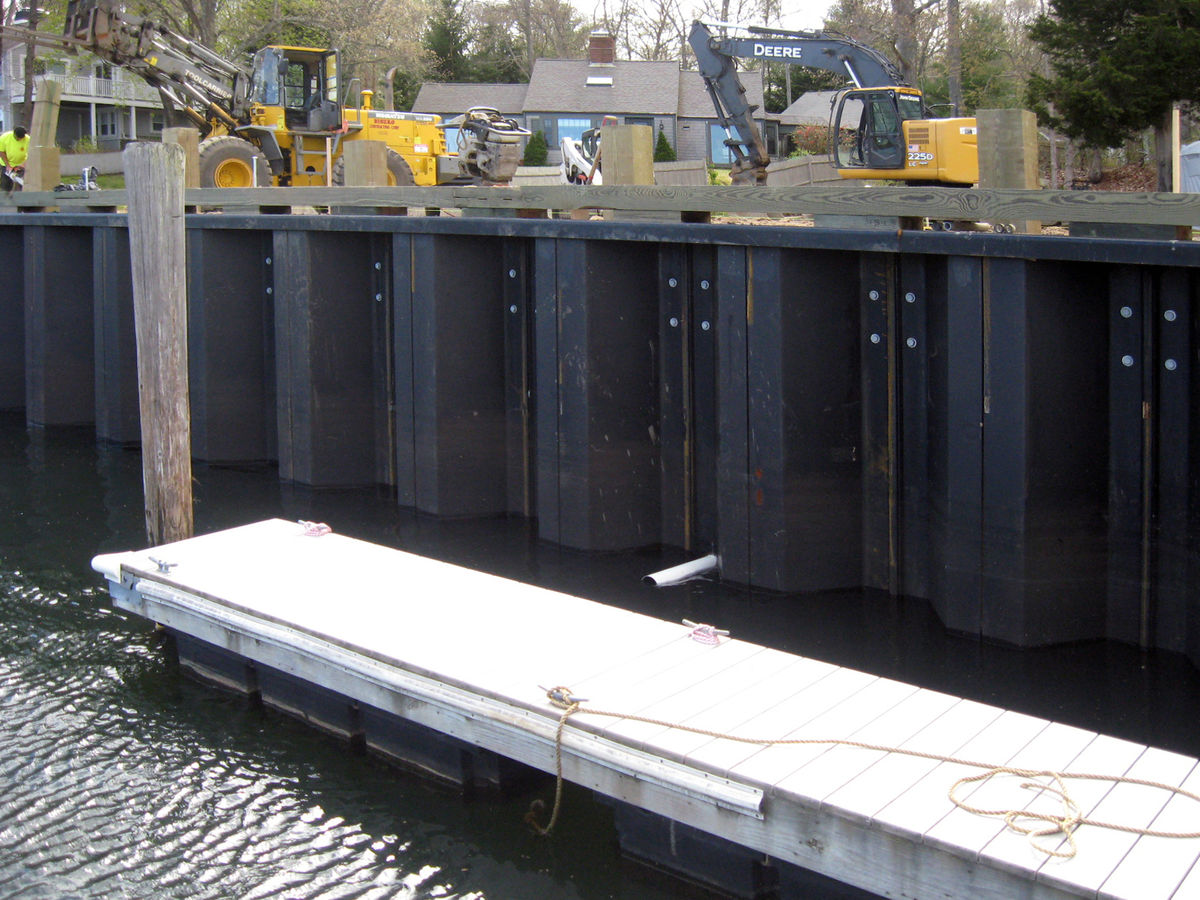
Working near the edge of water feels different right from the start. The ground does not give the same confidence as regular land. It looks fine, you walk on it, nothing seems off. But once work begins, small changes start showing up. That is usually when people decide to Contact Marine Bulkhead, not because something has failed, but because things might not stay the same for long.
It is less about control and more about dealing with constant change.
Steps followed during installation process
There is a plan, of course. There always is. But it rarely stays exactly the same.
Work starts in a structured way. Then the ground responds, and things begin to adjust.
Depth might increase in one area. Work might slow down in another.
No big announcement. Just small decisions being made as things move forward.
That is usually how it goes.
Materials suited for water exposed areas
Not everything handles water well over time. Some materials hold up, others start weakening sooner than expected.
- Steel works well for strength
- Concrete handles long term exposure better
- Timber is used in certain conditions, but not everywhere
And sometimes, it is not about choosing one. Mixing materials can make more sense depending on the situation.
There is no single answer here.

Mistakes that weaken structure strength
Mistakes in these projects do not show up loudly. They build slowly.
A small misread of soil. A slight underestimation of water movement.
At first, everything looks fine.
Then after some time:
- One section settles a bit more
- Alignment shifts slightly
- Maintenance becomes more frequent
Nothing dramatic. Just enough to become a problem later.
Long term effects of proper setup
When things are handled carefully, the difference is not immediate. It shows up later.
Structures stay level longer. Movement is minimal. Fewer corrections are needed over time.
Not perfect, but steady enough to avoid constant attention.
And honestly, that is what most projects aim for.
Where deeper support plays its role
At some point, relying on the surface stops making sense. The ground above is just too unpredictable.
So support goes deeper.
That is where stability comes from. Not from what you see, but from what holds everything underneath.
In many cases, when teams Contact Marine Bulkhead, they are really trying to solve that one concern. How to keep things from slowly drifting without needing constant fixes.
A structure that adjusts without failing
Even after everything is complete, the environment keeps changing.
Water moves. Soil reacts.
The structure does not stay frozen in one state. It adjusts slightly, over time.
But if it has been set up properly, those adjustments stay small.
And things hold together. Not perfectly still, just steady enough to last.