

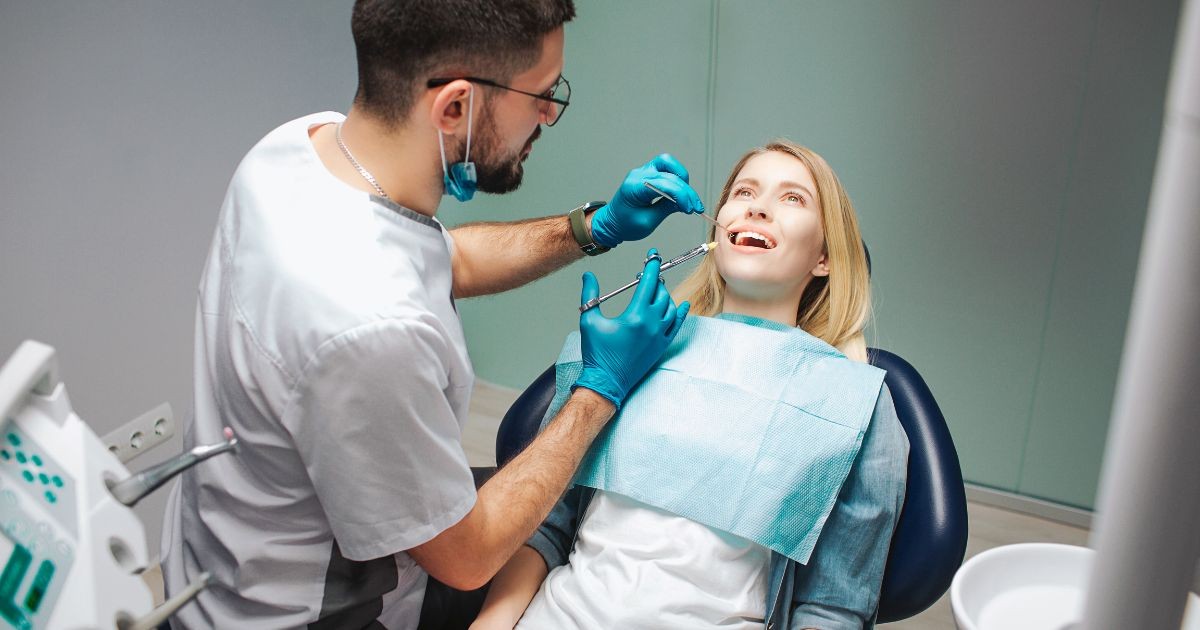
The Surprising Connection Between Your Teeth and Overall Wellbeing
When most people think about dental health, they typically focus on cavities, gum disease, or the aesthetic appeal of a bright smile. However, the alignment of one’s bite extends far beyond mere appearance, playing a crucial role in two seemingly unrelated bodily functions: digestion and posture. The intricate relationship between jaw alignment and these fundamental aspects of health is often overlooked, yet understanding this connection can be transformative for overall wellbeing. Visiting a dentist Magherafelt regularly is therefore an essential part of oral health.
The human body operates as an interconnected system, where seemingly isolated components influence one another in remarkable ways. Bite alignment, or occlusion as dental professionals term it, serves as a prime example of this interconnectedness. When the upper and lower teeth meet improperly, the ramifications extend throughout the body, affecting everything from how efficiently food is processed to how one holds their head and shoulders throughout the day.
Understanding Bite Alignment and Malocclusion
Proper bite alignment occurs when the upper and lower teeth fit together harmoniously, allowing for efficient chewing and even distribution of force across the jaw. Malocclusion, conversely, describes any deviation from this ideal arrangement. This misalignment can manifest in various forms, including overbites, underbites, crossbites, and crowding, each presenting its own set of challenges for overall health.
The prevalence of malocclusion in modern populations is surprisingly high, with studies suggesting that a significant proportion of individuals experience some degree of bite misalignment. Many people adapt to these conditions without realising the subtle ways their bodies compensate, potentially leading to long-term consequences that affect digestion and posture.
How Bite Alignment Affects the Digestive Process
The Critical First Step of Digestion
Digestion begins not in the stomach, but in the mouth, where mechanical breakdown of food occurs through chewing. This process, known as mastication, is the foundation upon which all subsequent digestive processes depend. When bite alignment is compromised, the impact of misalignment on digestive health becomes evident through inadequate food breakdown, forcing the stomach and intestines to work considerably harder to extract nutrients.
Individuals with malocclusion often develop compensatory chewing patterns, favouring one side of the mouth over the other or swallowing larger food particles than optimal. These adaptations may seem minor, but they set off a cascade of digestive challenges that can manifest as bloating, indigestion, and nutrient malabsorption over time.
Long-Term Digestive Implications
The consequences of poor mastication extend beyond immediate discomfort. Research has demonstrated that insufficient chewing can lead to increased gastric acid production as the stomach attempts to compensate for larger food particles. This overproduction may contribute to acid reflux and other gastrointestinal disturbances. Furthermore, studies on the relationship between oral health and digestive disorders have revealed compelling evidence linking dental malocclusion to various digestive complaints, underscoring the importance of proper bite alignment for optimal gut health.
The Posture Connection: How Your Jaw Affects Your Spine
The Biomechanical Chain Reaction
The relationship between bite alignment and posture is rooted in biomechanics. The temporomandibular joint, which connects the jawbone to the skull, is positioned remarkably close to the cervical spine. When malocclusion is present, the jaw often shifts to find a more comfortable position, inadvertently altering the position of the head. This compensation triggers a domino effect throughout the entire skeletal system, as the body attempts to maintain balance and centre of gravity.
Individuals with bite misalignment frequently develop forward head posture, rounded shoulders, and altered spinal curvature. These postural changes can lead to chronic neck pain, headaches, and back discomfort, conditions that many sufferers never associate with their dental health. The body’s remarkable ability to adapt can mask the root cause for years, until cumulative strain manifests as persistent musculoskeletal issues.
Addressing Bite Alignment Issues
Fortunately, modern dentistry offers numerous solutions for correcting bite alignment problems. Orthodontic treatments, dental restorations, and specialised appliances can all play a role in restoring proper occlusion. Consulting with a qualified dentist can provide valuable insight into individual cases and appropriate treatment options. Understanding how malocclusion affects overall health empowers individuals to make informed decisions about their dental care and its broader implications for wellbeing.
Taking Action for Better Health
The intricate connections between bite alignment, digestion, and posture highlight the importance of viewing dental health through a holistic lens. Addressing malocclusion not only improves oral function but can also alleviate seemingly unrelated health concerns. By recognising these connections and seeking appropriate professional guidance, individuals can take meaningful steps towards enhanced overall health and quality of life.